
Loss of Rent Coverage for Texas Landlords: How Fair Rental Value Pays After a Covered Loss
A plain-English guide for Texas rental owners on the part of a landlord policy that replaces rent while a damaged house is being repaired: what triggers it, how the limit and time period work, what it never pays, and how to choose a limit that fits your mortgage and your lease.
Why lost rent is often the bigger problem
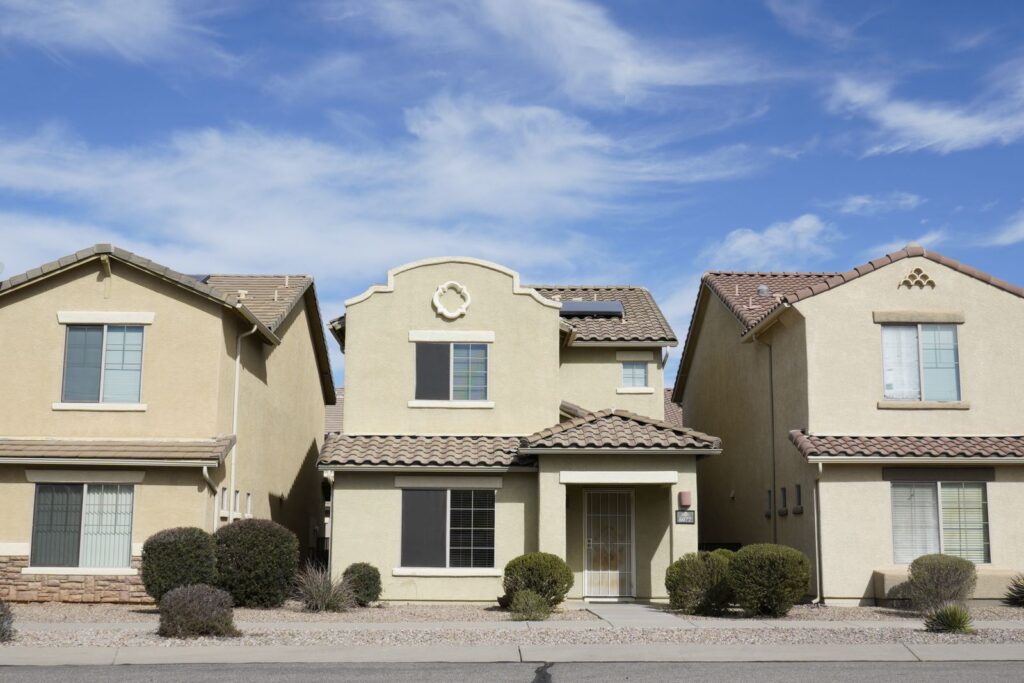
When a rental house in Texas takes a kitchen fire, a burst supply line, or a hailstorm that opens up the roof, most owners think first about the repair bill. That is the part the dwelling coverage is built for. The part that catches people off guard is the income gap. The tenant moves out, the house sits under repair for weeks or months, and the mortgage, property taxes, HOA dues, and insurance premium keep coming due.
For a single-family rental owner with one or two doors, a few months without rent can hurt more than the deductible. That is the job of loss of rent coverage, which most dwelling forms call fair rental value. It is one of the quieter lines on a landlord declarations page, and it is easy to assume it is there and adequate until the day you need it.
This guide focuses only on lost rent. If you are still choosing between basic, broad, and special dwelling forms, start with our pages on DP-1 coverage, DP-2 coverage, and DP-3 coverage. If your question is what landlord insurance usually costs, read the cost of landlord insurance in Texas.
What fair rental value actually means
Fair rental value is the rent the property would have earned while it is not fit to live in, minus any expenses you stop paying during that time. The Texas Department of Insurance’s standard Texas Dwelling Policy Form 3 (the TDP-3) describes it as the fair rental value of the part of the dwelling usually rented to others, less any expenses that do not continue. Many carriers now file their own forms instead of the state form, but most landlord policies in Texas follow the same basic idea.
The two parts of that definition
- The rent figure. This is usually based on what the unit actually rents for or what it would reasonably rent for. A signed lease, rent ledger, and bank deposits are the cleanest proof.
- Expenses that stop. If you normally pay the water, trash, or electric bill for the tenant and those services are shut off during repairs, the insurer subtracts that savings. The same goes for a lawn service you pause or a property manager fee that is not charged while there is no rent to collect.
What has to happen before it pays
Loss of rent coverage is not income insurance in general. It is tied to physical damage, and three conditions usually have to line up.
- Physical damage to covered property. The dwelling, other structures, or covered contents must be damaged.
- A covered cause. The damage has to come from a peril the policy covers. On a named-peril form, that means one of the listed perils. On an open-peril form like a DP-3 style policy, it means anything not excluded.
- The rental becomes unfit to live in. The TDP-3 wording uses the word untenantable, and it applies whether the house is wholly or partially unusable. A cosmetic claim, such as a dented gutter, does not trigger lost rent because the tenant can still live there.
That middle step matters most. If the cause of loss is not covered, the rent is not covered either. A house that floods from rising water, for example, will not trigger fair rental value on a standard dwelling policy because flood is excluded there. A separate flood policy does not fill that income gap either, since flood policies are built around the building and contents. Our guide to private flood insurance vs NFIP walks through what flood coverage does and does not include.
Civil authority: when the city closes the street
Many dwelling forms also include a short civil authority provision. If a covered peril damages a neighboring property and a government authority prohibits use of your rental as a result, the ISO-style dwelling forms pay lost rent for up to two weeks. Picture a fire next door that leaves a wall unstable, and the city keeps everyone out while it is demolished. Your house is fine, but your tenant cannot be there. Check whether your form includes this and for how long, because carrier versions vary.
How the limit works on common Texas forms
This is where landlord policies differ the most, and where two quotes that look the same can behave very differently after a claim.
| Form type | How lost rent is usually handled | What to look for |
|---|---|---|
| Basic form (TDP-1 or DP-1 style) | Often not included or only available by endorsement. Some carriers add it with a cap on both months and dollars. | Whether the endorsement is on the policy at all, and its month and percentage caps. |
| Texas TDP-3 | Loss of use is an extension of coverage with a total limit of 20% of the Coverage A dwelling limit, shared with additional living expense. | On the TDP-3 this is not additional insurance, so lost rent paid reduces the amount left for the dwelling. No deductible applies to it. |
| Carrier DP-2 or DP-3 style forms | Fair rental value is often listed as its own coverage, sometimes as a percentage of the dwelling limit and sometimes as a flat dollar amount. | Whether it is additional to the dwelling limit, and whether there is a stated month cap such as 12 months. |
Why “additional” vs “not additional” matters
When lost rent shares the dwelling limit, a big claim can squeeze you twice. Say a fire nearly totals the house. If you spend part of the dwelling limit on rent while the house is rebuilt, there is less left for the rebuild itself. That is one more reason to make sure the dwelling limit tracks real rebuild costs, which we cover in checking Coverage A and rebuild costs at renewal. When lost rent is additional insurance, it sits on top of the dwelling limit and does not eat into the rebuild money.
Dollars vs time
A simple way to test a limit is to divide it by the monthly rent. The result is the most months it could pay, even before any time cap. Then ask how long a serious repair would really take in your market, including the time it takes to get an adjuster out, pull permits, schedule contractors, and wait on materials after a big hail event when every crew in town is booked.
How long it pays
The standard wording pays for the reasonable or shortest time required to repair or replace the damaged property. It does not pay until a new tenant signs, and it does not pay for time lost because the owner took months to pick finishes or decided to remodel while the walls were open. Insurers measure the time a reasonably diligent repair should take.
Two details usually work in the owner’s favor:
- Policy expiration does not cut it off. On the TDP-3 and the ISO dwelling forms, the payment period is not limited by the policy’s expiration. A fire in the last month of the term can still pay rent through the repair period.
- No deductible on the TDP-3 extension. The TDP-3 says the policy deductible does not apply to loss of use. Carrier forms can differ, so confirm on yours.
Delays caused by things the policy does not pay for can stretch the timeline without stretching the coverage. Code upgrades are a common example. If the city requires work beyond a like-for-like repair, both the cost and the extra time can become a question. Our guide to ordinance or law and matching coverage explains how code-upgrade coverage works.
What loss of rent coverage does not pay
Many landlords expect this coverage to protect rental income in general. It does not. These are the gaps owners most often ask about.
Short-term rentals are another area to handle carefully. A house rented by the night through a platform may not fit a standard dwelling policy at all, and lost bookings are a different kind of income. See our guide to short-term rental insurance before you assume a long-term landlord policy covers an Airbnb-style setup.
How Texas lease law interacts with your coverage
Texas Property Code Section 92.054 sets out what happens to a residential lease after a casualty loss such as fire, smoke, hail, or explosion. It is worth knowing because it shapes when the rent stops and how long you may be without a tenant.
- Totally unusable. If the rental is, as a practical matter, totally unusable for residential purposes and the tenant did not cause the loss, either the landlord or the tenant may end the lease by written notice before repairs are finished. The tenant is then entitled to a pro rata refund of rent from the move-out date and any security deposit refund the law requires.
- Partially unusable. If only part of the home is unusable, the tenant can get a proportional rent reduction, but only by a county or district court judgment unless the written lease says otherwise.
- Repair clock. For an insured casualty loss, the landlord’s repair period under the statute does not begin until the landlord receives the insurance proceeds.
Put together, a serious loss often means the tenant leaves and the lease ends. That is exactly the situation fair rental value is designed for. It also means a lease that spells out rent reductions for partial damage can change how much rent you actually lose, so it is worth reviewing your lease form alongside your policy. This is general information, not legal advice, and a Texas landlord-tenant attorney can help with lease wording.
Choosing a limit that fits your rental
There is no single right number, but a few questions get you close.
- What does the house actually rent for? Use the current lease, not the rent from three years ago. If rents in your area have climbed, an old limit may cover fewer months than you think.
- What are your fixed costs while it is empty? Add up the mortgage payment, taxes, HOA dues, insurance, and any loan escrow. This is the minimum monthly gap you need to fill.
- How long would a major repair take? For a house that needs a near total rebuild, plan for permitting, contractor scheduling, and inspections, not just construction days.
- Is the coverage additional or shared? If it shares the dwelling limit, a higher dwelling limit may be part of the answer.
- Is there a month cap? A generous dollar limit still stops at the time cap.
Making a lost rent claim go smoothly
Lost rent claims are paperwork-heavy, and the owners who get paid fastest usually have records ready before anything goes wrong.
Keep these on file
- A copy of the current signed lease and any renewal or rent increase notice.
- Twelve months of rent deposits or a property manager ledger.
- A list of expenses you pay on the tenant’s behalf, such as utilities or lawn care, so the adjuster can see what stops and what does not.
- Date-stamped photos of the property’s condition at move-in and at recent inspections.
After a loss
- Report the claim promptly and ask the adjuster to confirm in writing whether the house is considered unfit to live in.
- Document the date the tenant moved out and any written notice under the lease or the Property Code.
- Keep a simple timeline of contractor bids, permit dates, and material delays. This helps show why the repair took as long as it did.
- Send monthly updates on rent lost and expenses that stopped, rather than waiting until the end.
Related coverage for rental owners
Lost rent is one piece of a full landlord setup. Liability is another, and it is the one that protects you if a tenant or guest is hurt and blames the property. Many owners pair a dwelling policy with an umbrella, which we explain in umbrella insurance for rental properties. If your lender or property manager asks to be listed on the policy, our guide to additional insured vs additional interest explains the difference. For an overview of every option we write for rental owners, visit our Texas landlord insurance page.
Renewal checklist for loss of rent coverage
- Find fair rental value or loss of rents on the declarations page. If you cannot find it, ask whether it is included in the form or needs an endorsement.
- Note the limit, and whether it is a percentage of the dwelling limit or a flat dollar amount.
- Ask whether it is additional insurance or shares the dwelling limit.
- Ask whether there is a time cap in months.
- Divide the limit by your current monthly rent and compare it to a realistic major repair timeline.
- Confirm whether civil authority coverage is included and for how long.
- Check whether a deductible applies to lost rent on your form.
- Tell your agent about any planned vacancy, renovation, or switch to short-term renting.
Check your rental’s loss of rent coverage
Send us your declarations page and current rent, and we can compare fair rental value limits, time caps, and form types across carriers before your next renewal.
Sources
- Texas Dwelling Policy Form 3 (TDP-3) specimen, hosted by the Independent Insurance Agents of Texas
- Texas Department of Insurance: Order CO-03-0110 on DP 00 02TX and DP 00 03TX dwelling forms
- Texas Property Code Section 92.054: Casualty Loss
- Texas Law Help: Disaster Manual, Landlord-Tenant Issues
- Texas REALTORS: Extreme Weather Events legal FAQ
- PropertyCasualty360 FC&S: Dwelling Property Forms, Coverages D and E
- Texas Department of Insurance: Home insurance guide
Get a free Texas landlord insurance quote
Ready for numbers? Fill out the short form below and a licensed Texas agent will compare carriers for you. It takes about two minutes, there is no obligation, and we never sell your information. Prefer the phone? Call 800-875-4711.