
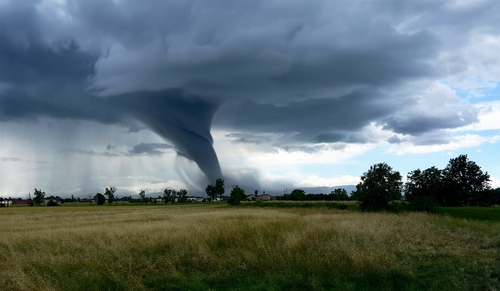
Summary: Covering your home, vehicle, and personal belongings from tornado damage is possible through insurance. Although some homeowners in Texas may need additional coverage, standard home insurance policies protect against tornado damage and windstorms. Comparing the coverage options near you will yield the best results for your protection and budget. Estimated Read Time: 7 mins
Most Texans have coverage from tornado damage through home insurance. If you live near the Gulf of Mexico, however, you may need additional windstorm insurance depending on your homeowners policy.
For those who live near the coast, the Texas Windstorm Insurance Association (TWIA) offers policies and you may also be able to add windstorm coverage from various carriers near you.
A standard homeowners insurance policy (HO3) is going to generally protect against windstorms, which include tropical storms and hurricanes as well as severe thunderstorms.
Understanding whether or not a policy from TWIA or a standard carrier is right for your home varies from person to person.
Be sure to compare rates and coverage options from multiple companies to find the best protection at the lowest cost.
Does Car Insurance Cover Tornado Damage?
Texas drivers can rely on comprehensive car insurance to protect against tornado damage and any other weather-related peril that may affect their vehicles.
Keep in mind if you have the bare minimum, liability-only insurance, you won’t be covered from losses involving acts of nature.
Tornado insurance coverage only comes from comprehensive coverage, which is an additional protection you’ll need to add.
If you have full coverage, double-check your policy to be sure, however, most policies will include liability, comprehensive, and collision coverages.
Does Renters Insurance Cover Tornado Damage?
Windstorm damage, such as the damage caused by tornadoes, is covered by renters insurance.
While you don’t need to worry about the home itself, your personal property still needs protection, which is why renters insurance is so important.
Just like a homeowners policy, your renters coverage will help you cover many different types of windstorms should your personal belongings become damaged during these weather events.
While bolstered due to its size, Texas is the leading state for the average number of tornadoes per year.
Still, these windstorm events are somewhat common and a threat to homeowners, drivers, and renters alike.
If you’re looking to stay covered for less, contact us or get a quote using the button at the top of the page.
How tornado damage is covered on a Texas homeowners policy
A tornado is a windstorm, and windstorm is one of the basic perils on every standard homeowners form. The Insurance Information Institute’s peril chart lists “windstorm or hail” as covered on every homeowners policy type, from the most basic form to the broadest. That is why a tornado claim is usually not a question of whether the peril is covered, but of how much the policy will pay and what you owe first.
On a typical policy, a tornado claim can touch several coverages at once:
- Dwelling. The house and attached structures, such as the roof, walls, windows and an attached garage.
- Other structures. Detached garages, fences, sheds and similar buildings.
- Personal property. Furniture, clothing and electronics damaged by wind, rain entering through storm openings, or flying debris.
- Additional living expenses. Extra costs to live elsewhere while the home is repaired. The NAIC explains that this coverage pays only the difference between your normal living costs and your temporary costs, so you still pay your mortgage. Our page on additional living expenses in Texas covers the details.
- Debris removal and trees. Most policies include some money for removing storm debris and trees that fall on a covered structure, with limits.
The deductible is the number to know before storm season
Many Texas homeowners policies use a separate wind and hail deductible that is a percentage of the dwelling limit, rather than a flat dollar amount. A 1 percent deductible on a $350,000 dwelling limit is $3,500. A 2 percent deductible on the same house is $7,000. Tornado damage is wind damage, so this is usually the deductible that applies. Find it on your declarations page now, and decide whether you could pay it after a bad storm. Our guide to Texas wind and hail deductibles explains how they work and how they affect your premium.
Texas tornado risk in context
Texas sees more tornadoes than any other state in most years, partly because of its size. Triple-I’s tornado and thunderstorm statistics, based on preliminary NOAA counts, put Texas first in the nation with 162 tornadoes in 2025. Tornadoes are one part of the severe thunderstorm risk that also brings hail and straight-line winds, and those storms drive a large share of property claims across North and Central Texas.
Coastal homeowners face a different issue. Hurricanes and tropical storms can spawn tornadoes, and in designated coastal areas some homeowners policies exclude wind entirely. In that case, wind and hail coverage may come from a separate policy, such as one from the Texas Windstorm Insurance Association. If you have two policies, a tornado during a hurricane may be handled by the wind policy, not the homeowners policy. Our windstorm insurance page explains how the two fit together.
What tornado coverage does not include
- Flooding. Heavy rain from the same storm system can cause flooding. Standard homeowners and renters policies exclude flood, which requires a separate flood policy.
- Poor maintenance. If an old, deteriorated roof fails, the insurer may separate wear and tear from storm damage.
- Losses above your limits. If your dwelling limit is lower than the cost to rebuild, the policy pays only up to the limit.
- Property you did not insure. Valuables above special sublimits, such as jewelry, may need scheduled coverage.
Cars, renters and tornado damage
As covered above, damage to your car from a tornado falls under comprehensive coverage. A tree falling on your car, hail, flying debris and flood water are all comprehensive losses. Triple-I’s auto insurance basics explains how comprehensive differs from collision. If you carry only liability coverage, you pay for damage to your own car.
Renters need their own policy because the landlord’s insurance covers the building, not a tenant’s belongings. Triple-I notes that standard renters insurance protects personal belongings against windstorm and other listed disasters, and includes additional living expenses if the rental becomes unlivable after a covered loss.
What to do after a tornado damages your home
- Make sure everyone is safe. Watch for downed power lines, gas leaks and structural damage before you go back inside.
- Document everything. Take photos and video of the damage before you clean up, including close-ups and wide shots.
- Prevent further damage. Triple-I advises taking reasonable steps to protect your property, such as tarping a roof or boarding windows, and saving receipts. Payments for temporary repairs are part of your total settlement.
- Report the claim promptly. Call your insurer or agent, get a claim number and ask what the adjuster will need.
- Keep damaged items until the adjuster has seen them, unless they are a health hazard.
- Track your extra living costs with receipts if you have to move out temporarily.
- Be careful with contractors. After big storms, out-of-town contractors may go door to door. Check licenses, references and insurance, and avoid large up-front payments.
How to prepare before tornado season
Preparation helps both safety and claims. Ready.gov recommends identifying a safe shelter, such as a FEMA-standard safe room or an ICC 500 storm shelter, or else a small, interior, windowless room on the lowest level of a sturdy building. The National Weather Service explains the difference between a tornado watch and a warning. On the insurance side:
- Review your dwelling limit against today’s rebuilding costs.
- Find your wind and hail deductible and set aside money for it.
- Make a home inventory with photos or video, and store it in the cloud.
- Keep a copy of your policy and your insurer’s claim number on your phone.
- Consider a roof upgrade, such as impact-resistant shingles, and ask whether your insurer offers a credit.
Frequently asked questions
Is a tornado considered wind or a separate peril?
Tornado damage is generally treated as windstorm damage. That means your wind and hail deductible usually applies, and on a coastal policy that excludes wind, the separate wind policy is where a claim would go.
Does homeowners insurance pay to replace my whole roof after a tornado?
It depends on the damage and on how your policy settles roof claims. Some Texas policies pay replacement cost, while others pay actual cash value or use a roof payment schedule based on age. Check your declarations page and endorsements.
What if my house is a total loss?
The policy pays up to your dwelling limit, plus other coverages such as personal property and additional living expenses. That is why it is important to insure your home to its full rebuilding cost, not its market value. See our overview of homeowners insurance in Texas for how coverage limits are set.
Can I buy coverage when a tornado is in the forecast?
Many insurers stop writing new policies or changing coverage when severe weather is imminent in an area. It is best to review coverage well before storm season. If you want to compare options, start at the quote page.
Sources:
1. What is windstorm insurance?, TDI. Accessed July 2024. Texas Department of Insurance (TDI tip article)
- Which disasters are covered by homeowners insurance?, Insurance Information Institute (Triple-I)
- Facts + Statistics: Tornadoes and thunderstorms, Insurance Information Institute (Triple-I), citing NOAA
- Settling insurance claims after a disaster, Insurance Information Institute (Triple-I)
- How to file a homeowners claim, Insurance Information Institute (Triple-I)
- Renters Insurance, Insurance Information Institute (Triple-I)
- Auto insurance basics: understanding your coverage, Insurance Information Institute (Triple-I)
- What are Additional Living Expenses and How Can Insurance Help?, National Association of Insurance Commissioners (NAIC)
- Tornadoes, Ready.gov (FEMA)
- Tornado Safety, National Weather Service
- Tornado Frequently Asked Questions, NOAA Storm Prediction Center
- Texas Windstorm Insurance Association, TWIA