
Personal Insurance
Texas Coverage A and Rebuild Costs at Renewal: What Homeowners Should Check
Practical Texas renewal checklist: whether Coverage A (dwelling) kept pace with rebuild costs — not market value, and not wind/hail deductible math.

Practical Texas renewal checklist: whether Coverage A (dwelling) kept pace with rebuild costs — not market value, and not wind/hail deductible math.

Texas UM/UIM and PIP Choices: What Drivers Should Decide Before They Sign A practical guide to Uninsured/Underinsured Motorist and Personal Injury Protection on Texas auto

Practical Texas guide comparing Businessowners Policies to separate General Liability and commercial property for small retail and service shops — fit, gaps, and shopping checklist.

How to read a Texas home or auto renewal this fall: limits, wind deductibles, roof terms, and nonrenewal notice timing.

Learn how Texas wind and hail deductibles work, how percentage deductibles are calculated, when they apply, and what to review on your declarations page before storm season.

Introduction In the vast landscape of Texas, where sprawling ranches meet bustling urban centers, homeownership comes with its unique set of challenges and protections. The

A personal umbrella is extra liability insurance above auto and home limits. What it pays, what it excludes, and the gap to check.

When it comes to protecting your home and vehicle, securing the right insurance coverage is essential. Bundling auto and renters insurance can offer both convenience

When your living situation evolves, it’s crucial to ensure that your homeowners insurance policy remains aligned with your current needs. One of the first steps
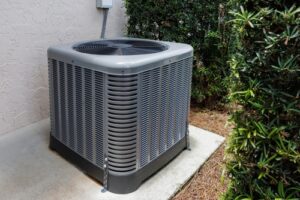
Many home insurance policies cover air conditioners but each policy varies. Personal ACs are also covered for renters. However, AC units must be affected by a peril that is covered by your policy for reimbursement. You’ll need a home warranty for wear and tear. If your insurance carrier doesn’t accept your claim, there are steps you can take for legitimate disputes to rectify this issue. It’s important to review your coverage annually to avoid coverage gaps.